
People ask this question a lot, and every time I smile a little, because cheesecake doesn’t have one clear answer. It depends on when you eat it, how it’s made, and honestly, your mood. I still remember the first proper cheesecake I tasted. It wasn’t flashy. No heavy toppings. Just a plain slice on a plate. One bite in, and I understood why people talk about cheesecake the way they do.
Cheesecake tastes calm. That’s the best way I can describe it. It’s not sharp like chocolate, not airy like sponge cake, and not overly sweet like pastries. It’s soft, creamy, and balanced. The sweetness comes slowly, not all at once. Then there’s this slight tang that stays in your mouth for a second longer than expected. That tang is what makes you want another bite.
Sometimes, cheesecake tastes different depending on where you eat it. A slice eaten at a noisy birthday party doesn’t feel the same as a slice eaten alone late at night. I’ve noticed that cheesecake somehow adjusts itself to the moment. When shared, it feels celebratory. When eaten quietly, it feels comforting. That’s not something many desserts can do.
There are days when cheesecake tastes lighter than expected, and other days when it feels richer than you remembered. Mood plays a role, and so does memory. If you’ve ever eaten cheesecake during a happy time, your brain remembers that feeling. The next time you taste it, even if it’s from a different place, that comfort comes back for a second. That’s why people say cheesecake feels familiar, even when they’re trying it for the first time.
Another thing people don’t talk about much is how cheesecake doesn’t rush its flavour. Cakes hit you with sweetness right away. Chocolates do too. Cheesecake doesn’t. It starts soft. Almost quiet. Then slowly, the flavour settles in. You notice the creaminess first. Then the sweetness. Then that slight tang at the end. It’s like the dessert is unfolding instead of shouting.
I’ve also noticed that cheesecake tastes better when you don’t overthink it. The moment you start analysing flavors too much, you lose the magic. Cheesecake isn’t meant to impress you instantly. It’s meant to sit with you for a moment. That’s probably why people eat it slowly without realizing it.
There’s also something very forgiving about cheesecake. Even when it’s not perfect, it’s still good. A small crack on top doesn’t ruin it. A slightly soft centre doesn’t spoil the experience. Unlike many desserts, cheesecake allows imperfections. And somehow, those imperfections make it feel more human, more homemade.
Texture-wise, cheesecake teaches patience. You can’t rush through it. If you try to eat it too fast, it almost pushes back, reminding you to slow down. That gentle resistance, followed by softness, is part of the experience. It’s not dramatic, but it’s memorable.
Some people say cheesecake is heavy, but I don’t fully agree. It’s filling, yes, but not uncomfortable. There’s a difference. Cheesecake makes you feel satisfied, not stuffed. That’s probably why a small slice feels enough. You don’t crave quantity with cheesecake. You crave quality.
And then there’s the after taste. Cheesecake doesn’t disappear the moment you swallow it. A soft creaminess stays behind for a while. Not sugary. Not sticky. Just calm. That lingering taste is what makes people think about cheesecake even after they’ve moved on to something else.
In many ways, cheesecake feels like a pause. A break between busy moments. You don’t eat it while rushing somewhere. You eat it when you’ve decided, even briefly, to stop. Maybe that’s why it feels special without trying too hard.
Cheesecake doesn’t need loud flavors to be remembered. It relies on balance. Creamy but not oily. Sweet but not sharp. Soft but not messy. That balance is rare, and people notice it even if they can’t explain it.
Cheesecake doesn’t rush you.
Baked cheesecake
Baked cheesecake has weight. When you press your fork into it, it holds its shape. When you lift a bite, it doesn’t fall apart. And when you eat it, you feel it sit gently, not heavy, just present.
The taste of baked cheesecake feels deeper. Warmer. Almost settled. Baking brings out the richness of cream cheese and smooths everything together. The sweetness feels controlled, never loud. There’s a mild tang that comes through at the end of each bite, reminding you that this isn’t just sugar and cream.
Baked cheesecake feels like something you eat when you want to treat yourself properly. One slice is usually enough. Any more, and you start to feel how rich it really is. The biscuit base matters a lot here. When it’s baked right, it adds a buttery, slightly toasted flavor that balances the creamy top.
This is the cheesecake people order at cafés and remember weeks later.
No-bake cheesecake
No-bake cheesecake feels completely different. Lighter. Cooler. Softer. It almost disappears in your mouth before you realize it. The first bite feels fresh, especially when it’s chilled properly. There’s creaminess, yes, but it’s gentle, not intense.
The flar is milder. You taste the cream cheese, but it doesn’t dominate. The sweetness feels clean, and the tang is softer. This is why no-bake cheesecakes work so well with fruits. Strawberry, mango, blueberry — they all shine more in a no-bake version.
The base is softer too, because it’s usually chilled, not baked. So instead of crunch, you get a buttery softness that blends into the filling. No-bake cheesecake feels like something you’d eat on a warm day, without thinking too much about it.
It doesn’t demand attention. It just quietly tastes good.
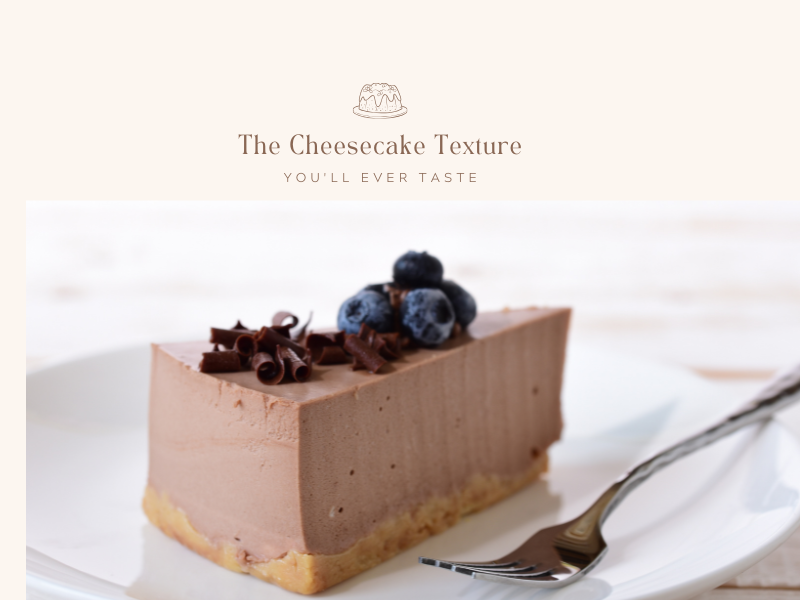
Cheesecake texture
If cheesecake didn’t feel the way it does, people wouldn’t love it this much. Texture is everything here. A good cheesecake feels smooth, not grainy. When it’s done right, there are no lumps, no dryness, no stiffness.
Dense cheesecakes feel rich and filling. Lighter ones feel airy and calm. Both work, depending on what you want. What really makes cheesecake special is the contrast — creamy top, firmer base. Soft against slightly solid. That contrast keeps each bite interesting.
Temperature changes everything too. Straight from the fridge, cheesecake feels firm and clean. After a few minutes outside, it softens and tastes richer. That’s why some people swear cheesecake tastes better if you let it sit before eating. It’s a small detail, but cheesecake is full of small details.
FAQs
Is cheesecake very sweet?
Not really. It’s gently sweet, balanced by the tang of cream cheese.
Does cheesecake taste like cheese?
No. It tastes creamy and mild, not savory.
Which is heavier?
Baked cheesecake feels richer. No-bake feels lighter.
Why do people love cheesecake so much?
Because it’s comforting, balanced, and never overwhelming.